Selling Smoked Meat and Brisket From Home: What You Need to Know
How to sell smoked brisket and BBQ meats from home in Australia. Council rules, food safety, pricing, pre-orders and running it around your day job.
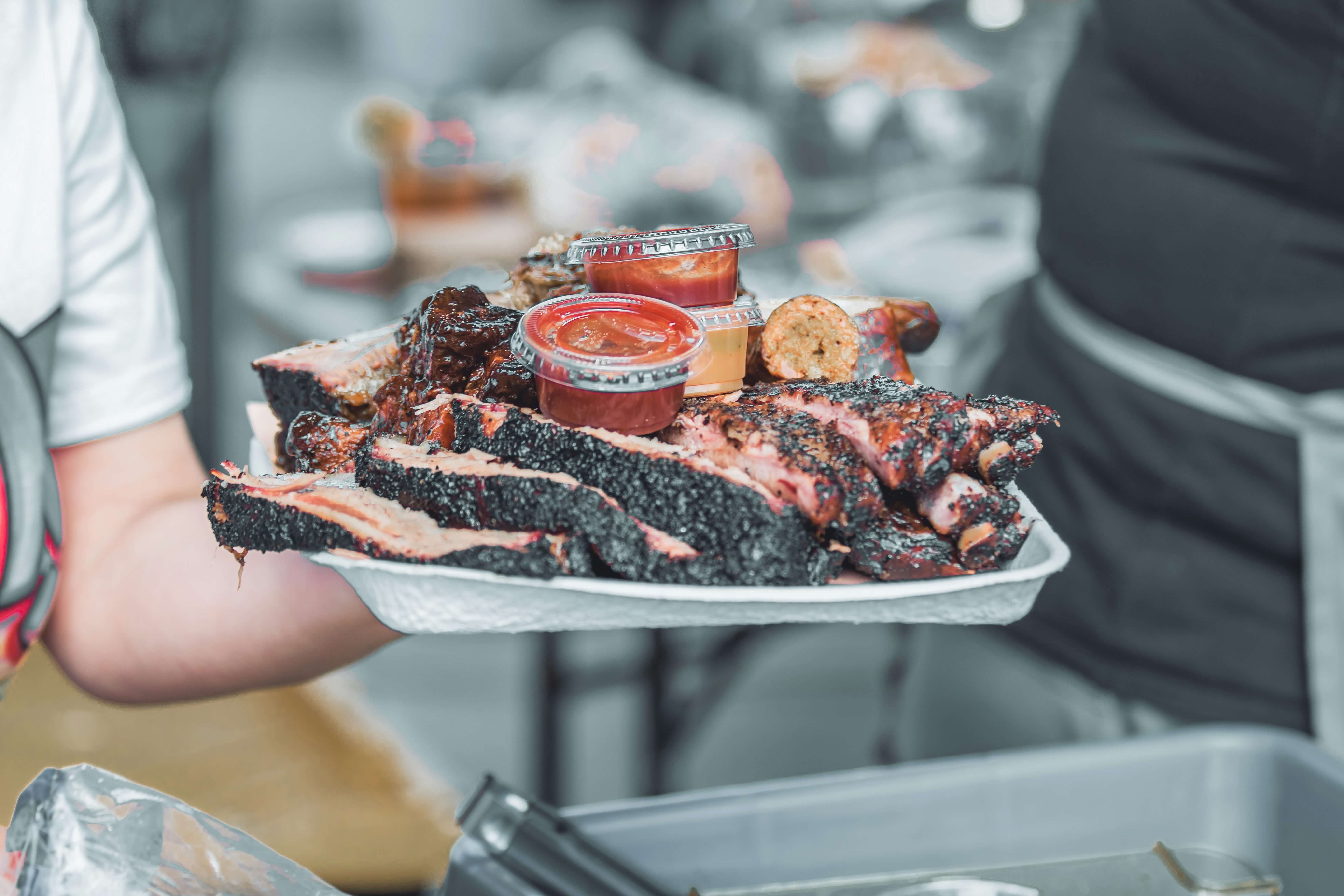
The pitmasters who go pro
Backyard smoking has quietly grown into a serious side business for a lot of Australians. Brisket, pulled pork, ribs, smoked chicken. The kind of food that takes twelve hours to make and disappears in twenty minutes.
A lot of pitmasters start by feeding family and friends. Someone says they'd pay good money for this. They try it. Word travels fast.
Then comes the harder part: making it work as a business.
Can you sell smoked meat from home in Australia?
Yes, but it takes more setting up than baking. Smoking meat at home for sale isn't quite the same as making cakes. It's a higher-risk category in food safety terms because of the cooking temperatures and holding times involved.
Most councils will require you to register, document your process, and show that you understand the time-and-temperature side of food safety. You may need to do a basic food handling course. Since December 2023, food businesses handling ready-to-eat food like cooked meat generally need a certified food safety supervisor, which is usually a short course you can do in a day or two. None of this is impossible. It's actually pretty quick. But skipping it is the kind of thing that catches up with you later.
If you're serious, give your local council a call before you take your first paid order. Some will want to see your kitchen. A few may not approve a home kitchen for meat at all, and it's better to know that early.
Time and temperature: the part that matters most
This is the bit councils care about, and the bit that keeps your customers safe.
Hot food needs to stay at 60°C or above. Food you're cooling needs to drop from 60°C to 21°C within two hours, then down to 5°C within the next four. Brisket is big and dense, so it holds heat for a long time. Slice it or portion it before chilling so it cools fast enough.
That leaves you with two ways to sell:
- Hot pickup. Customers collect straight off the smoker or from a hot box. Simple, but your pickup window has to be tight.
- Chilled with reheating instructions. You cool and pack it properly, label it, and customers reheat at home. More flexible, and easier to run alongside a day job.
Either works. Pick one and build your process around it.
What you need to get started
You probably already have the smoker. The extras that matter once you're selling:
- A reliable probe thermometer, plus a second one as backup
- Insulated hot boxes or eskies, depending on whether you sell hot or chilled
- Food-grade containers and labels with the date and reheating instructions
- An ABN, which is free and takes about fifteen minutes to apply for
- Public liability insurance
You don't need to register for GST unless your turnover reaches $75,000 a year.
Pricing brisket so the twelve hours are worth it
Brisket loses a lot of weight between the butcher and the board. Once you trim it and cook it, you'll often end up with around half of what you started with.
So price per kilo of cooked meat, not raw. If you buy 6 kg of brisket at $20 a kilo, you've spent $120 and might end up with 3 kg to sell. That's $40 a kilo before wood, rub, packaging or your time.
Check what local BBQ restaurants charge per kilo and sit a little below them. You're not competing on price. You're competing on the fact that it's yours and it's good.
Taking pre-orders for smoked meat
Brisket isn't a same-day product. It's a Tuesday-order, Friday-smoke, Saturday-pickup product.
That changes how you take orders. You can't accept a request on Friday afternoon for collection that night. You need a system that closes orders a few days in advance, lets people choose a pickup window, and makes it clear when collection happens.
A pre-order model fits this perfectly. Open orders Monday, close them Wednesday, smoke Friday, customers collect Saturday. Predictable for you, clear for them.
It also means you know exactly how much meat to buy. No guessing, no leftover brisket you can't sell.
Common questions
Do I need a licence to sell smoked meat from home? You'll need to register with your local council as a food business. Expect more questions than you'd get for baking, and likely a food safety supervisor certificate.
Should I sell it hot or chilled? Chilled with reheating instructions is usually easier to manage around a day job. Hot pickup works if you can keep a tight collection window.
How far ahead should I take orders? Close orders two or three days before your smoke day. That gives you time to buy the right amount of meat.
Can I run this while working full time? Yes. Most home pitmasters smoke once a week, usually Friday into Saturday, and cap their orders at what one smoker can handle.
The system you'll eventually need
The first time you run a Saturday pickup with twelve customers, you'll realise messaging each one their slot is its own job. Sending a reminder the night before is another one.
This is the shape of business Picklo was built for. A link to share, a window for customers to pick, payment handled up front, reminders sent when you're ready. The smoking is still the hard part. The admin doesn't have to be.
Baking rather than smoking? Here's how to start a cake business from home.