How to start a home cake business in Australia (without quitting your job)
A practical look at starting a home cake business in Australia while keeping your day job. Food rules, pricing, and the system that makes it run.
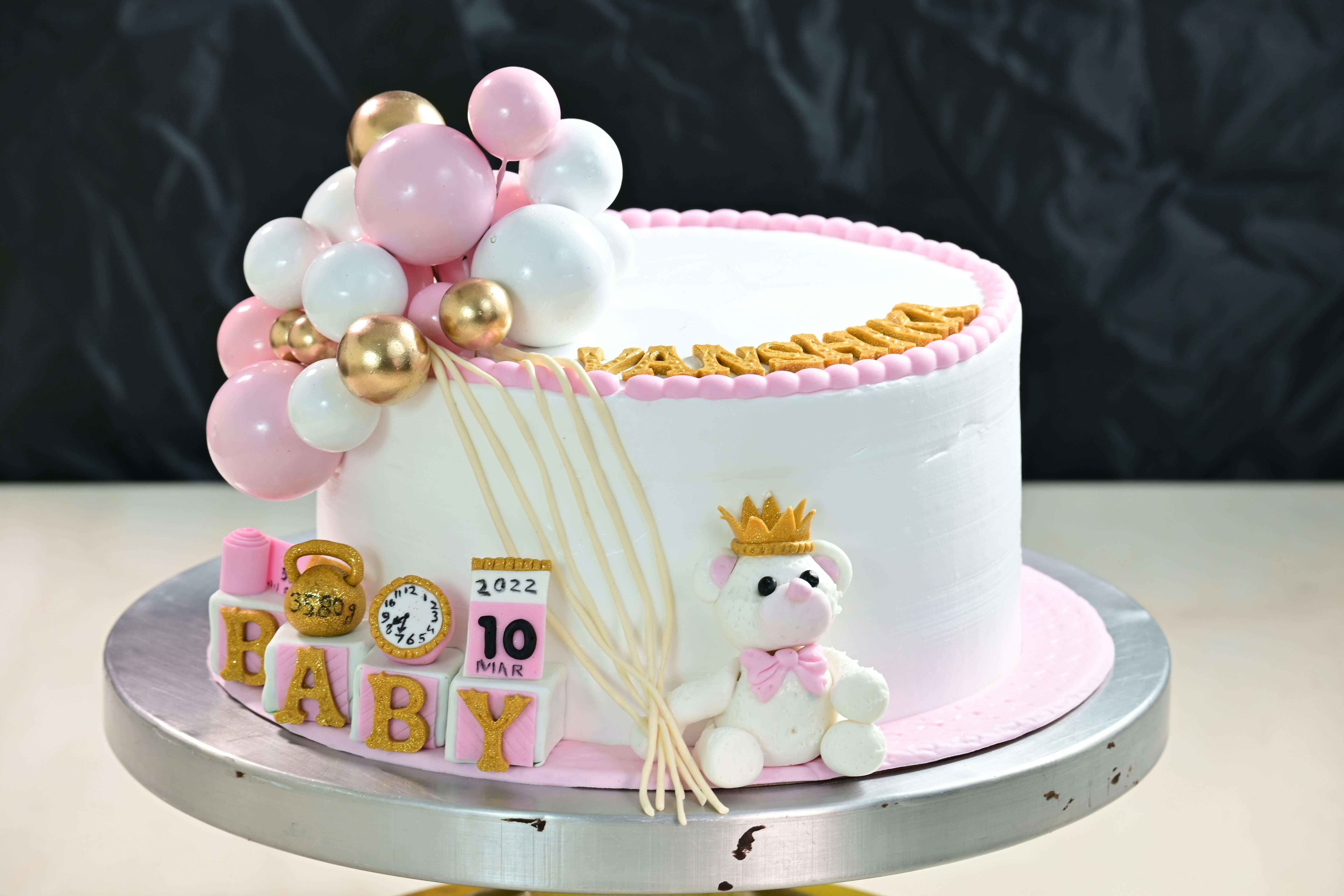
It usually starts with one cake
Someone asks if you'd make a cake for their daughter's birthday. You say yes. They pay you. You make another one. Word gets around. By the third or fourth order, you realise you've accidentally started a business.
Most home cake businesses begin this way. Not with a plan, but with a question. The trick is recognising the moment it stops being a favour and starts being a job.
That's usually when the admin begins.
What the rules actually say
In Australia, you can sell cakes from home, but each state has its own food safety rules. In Victoria you'll need to register your home as a Class 3 food premises with your local council. NSW, Queensland, and most other states have similar registrations under different names. The cost is small. The paperwork is straightforward.
You'll also want public liability insurance. A few hundred dollars a year and worth it. If something goes wrong, you don't want to be the one absorbing the risk.
None of this is hard. It just needs doing once, properly, before you start charging.
Pricing without underselling yourself
The biggest mistake new home cake bakers make is pricing on ingredient cost alone. Flour, sugar, eggs, fondant. Add fifty per cent. Done.
But that ignores your time. A custom birthday cake takes four to six hours when you include shopping, baking, decorating, and cleaning up. If you charge $80 for a cake that took five hours, after ingredients you're earning about $10 an hour.
Charge for your time. Charge for your skill. Charge for the fact that someone is asking you because they trust you to make it special.
Custom birthday cakes in Australia typically go for $120 to $220 depending on complexity and your location. Wedding cakes and multi-tier designs sit higher. If your prices feel uncomfortable to say out loud, that's usually a sign they're close to right.
Where your first customers come from
Most home cake businesses grow through word of mouth, and word of mouth travels further than it used to.
Your first customers are usually people who already know you. Friends, family, people from school or work. Tell them you're taking orders. Show them what you make. Let them share it.
After that, local Facebook groups are the most reliable early channel. Most suburbs and towns have a "local services" or "buy swap sell" group where home bakers post regularly. A photo of something you've made and a link to your order page is enough.
The order page matters more than most people think. When someone asks if you take custom orders, the difference between "send me a message and we'll work it out" and "here's my link" is the difference between a maybe and a booking.
What good systems look like
A real cake business has a customer order page, a way to take payment up front, a calendar that blocks dates when you're full, and a way to send pickup reminders without typing the same message twenty times.
Spreadsheets do this for a while. Then they don't.
That's the kind of thing Picklo was built for. One link to share, payments handled, dates managed, reminders sent. Less time on admin, more time decorating cakes.
The first cake is the hardest part. After that, the business tends to find its own shape. Most home bakers who start this way don't quit their jobs. They just end up with something good running quietly on the side.